Escaping the Storm: How Substance Abuse Becomes a Temporary Refuge from Overwhelming Emotions
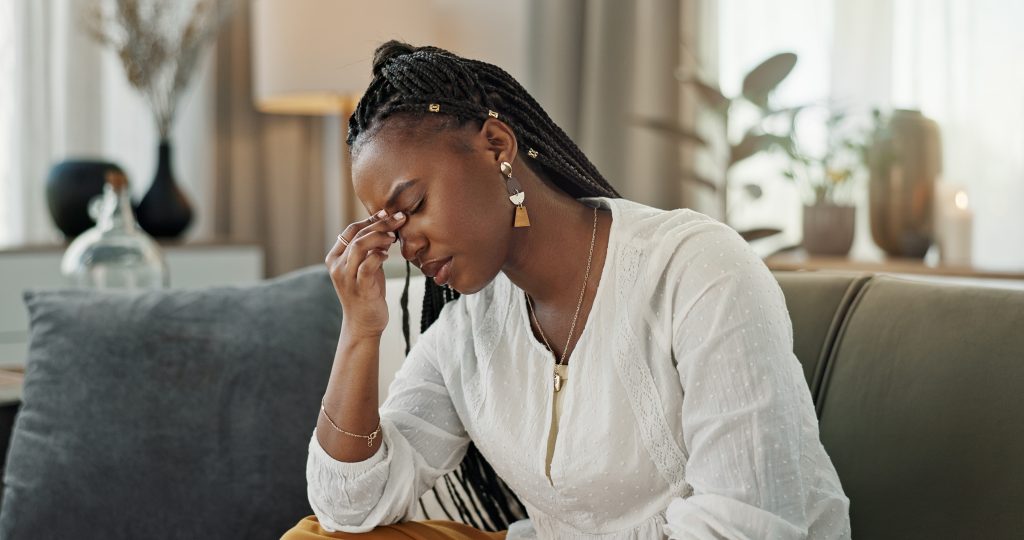
Have you ever felt so overwhelmed that you just wanted to escape, even for a little while? Maybe it’s the weight of past trauma, relentless anxiety, or the constant pressure to hold everything together. For many women, using drugs or alcohol to cope feels like a quick way to quiet the noise, to take the edge off emotions that feel too heavy to carry. And in the moment, it might even seem like it works.
But that relief is fleeting. What starts as a temporary escape can quickly become a cycle that’s hard to break—a crutch that keeps you from truly healing. If you’ve ever found yourself reaching for a drink after a tough day or relying on substances to numb emotional pain, you’re not alone. Let’s talk about why this happens, how it affects mental health, and what healthier alternatives exist for coping with life’s hardest moments.
How Your Hormones Play a Role in Addiction (Even If You Don’t Realize It)
Hormones play a powerful role in nearly every aspect of a woman’s life—including how she experiences addiction. From puberty to pregnancy to menopause, hormonal shifts can influence cravings, emotional regulation, and even how the body processes substances. For example, estrogen can make the brain more sensitive to the effects of drugs and alcohol, which is why many women feel the highs more intensely—but also experience stronger cravings. This can make it easier to slip into patterns of dependency, especially during times of hormonal fluctuation, like PMS or postpartum.
Stress hormones also play a huge role. When cortisol (the body’s stress hormone) spikes due to anxiety, trauma, or everyday pressures, many women turn to substances as a way to cope. Alcohol, for example, can initially lower stress levels, but over time, it disrupts the body’s natural ability to regulate emotions—making stress and anxiety even worse. And since women metabolize alcohol and drugs differently than men, they often feel the negative effects more quickly, leading to a faster progression from casual use to dependency. Understanding these hormonal influences can be a game-changer in recognizing addiction patterns and finding healthier ways to manage emotions and stress.
Motherhood, Hormones, and the Hidden Struggle with Addiction
Pregnancy brings massive hormonal shifts that can affect both a woman’s body and mind—sometimes in ways she doesn’t expect. During pregnancy, hormones like estrogen and progesterone surge, helping to support the baby’s development but also intensifying emotions. Many women experience heightened anxiety, mood swings, or even a sense of emotional overload. For those with a history of substance use, pregnancy can be a wake-up call to quit—but the stress, fear, and physical changes can also make cravings harder to manage. Some women may turn to substances to cope with morning sickness, chronic pain, or pre-existing mental health conditions, especially if they don’t have access to proper medical or emotional support.
After birth, the sudden drop in hormones—especially estrogen and progesterone—can leave many women feeling emotionally depleted, a key factor in postpartum depression. This condition affects about one in seven new mothers, bringing intense sadness, anxiety, and even feelings of detachment from their baby. The exhaustion of caring for a newborn, combined with sleep deprivation and the pressure to “bounce back,” can drive some women to use alcohol or prescription medications to cope. Opioids, often prescribed for postpartum pain, can lead to unintended dependence, while alcohol or benzodiazepines might seem like a quick way to relieve stress or anxiety. Without proper treatment and support, what starts as an attempt to manage overwhelming emotions can spiral into addiction, making recovery even more challenging for new mothers.
When Addiction Isn’t the Whole Story: The Mental Health Struggles That Come With It
If you’ve ever struggled with substance use, you might have also battled anxiety, depression, or another mental health challenge—often without even realizing how connected they are. Many women don’t start using drugs or alcohol just for the sake of it; they’re trying to quiet something deeper. Maybe it’s the racing thoughts of anxiety that won’t let you rest or the crushing weight of depression that makes even getting out of bed feel impossible. Substances can feel like a way to take back control, to turn the volume down on emotions that are too loud. But over time, what feels like a solution only makes the problem worse.
Conditions like PTSD, bipolar disorder, and ADHD are also common co-pilots of addiction, often going undiagnosed or misunderstood. If you’ve lived through trauma, substances might seem like the only way to numb the pain or silence the memories. If you have ADHD, you might have used alcohol or other drugs to calm your mind when nothing else worked. The problem is, that addiction and mental health struggles fuel each other in a vicious cycle—substance use can intensify symptoms, and untreated mental health issues can make recovery feel impossible. But understanding this connection is powerful. It means that healing isn’t just about quitting substances; it’s about treating the whole person—your mind, your emotions, and the deeper struggles that led you here in the first place.
Healing on Your Terms
Recovery is a deeply personal journey, and finding the right support is key to healing. You don’t have to keep struggling in silence. If paying for mental health care feels impossible right now, we get it. Many women put themselves last, push through the pain, and tell themselves, “I’ll figure it out later.” But later keeps not coming.
The Linda Jane Foundation exists for you. We help cover the cost of therapy and mental health support so money doesn’t get to decide whether you heal.
You deserve help, to feel better, and a life that isn’t defined by stress, anxiety, depression, or burnout.
Apply for assistance. This could be the moment that changes everything.